

In the fast-paced world of restaurants and catering services, maintaining the highest standards of food safety and hygiene is paramount. Professional kitchens rely on various protective equipment to ensure compliance with health regulations while delivering exceptional culinary experiences. Among these essential tools, food gloves stand out as one of the most critical components for preventing cross-contamination and protecting both food handlers and consumers from potential health hazards. The selection of appropriate protective handwear can significantly impact a restaurant's reputation, regulatory compliance, and overall operational efficiency.
Modern food service establishments face increasing scrutiny from health inspectors and discerning customers who expect transparency in food preparation processes. The proper implementation of protective handwear protocols not only demonstrates professionalism but also serves as a visible commitment to food safety standards. Restaurant managers and catering professionals must understand the various types of protective gloves available and their specific applications to make informed decisions that align with their operational requirements and budget constraints.
The foundation of effective food protection lies in the material composition of professional-grade gloves. High-quality food gloves are manufactured from materials that meet strict regulatory standards set by organizations such as the FDA and USDA. These materials undergo rigorous testing to ensure they do not contain harmful chemicals that could migrate into food products during handling. The most common materials include nitrile, vinyl, and polyethylene, each offering distinct advantages for different food service applications.
Nitrile gloves provide exceptional chemical resistance and durability, making them ideal for handling acidic foods, oils, and cleaning chemicals commonly used in commercial kitchens. Vinyl gloves offer cost-effective protection for light-duty tasks and short-term food handling, while polyethylene gloves provide an economical solution for high-volume food preparation activities. The selection of appropriate material depends on factors such as the types of foods being handled, duration of use, and specific safety requirements of the establishment.
Effective barrier protection is crucial for preventing the transfer of bacteria, viruses, and other contaminants between food handlers and food products. Quality food gloves create an impermeable barrier that blocks the transmission of pathogens while allowing food service workers to maintain dexterity and tactile sensitivity. This protection works both ways, safeguarding food from contamination by human skin and protecting workers from potential allergens or irritants present in food ingredients.
The microscopic structure of professional food gloves is engineered to resist penetration by common foodborne pathogens such as Salmonella, E. coli, and Listeria. Advanced manufacturing processes ensure consistent thickness and integrity throughout the glove surface, eliminating weak points that could compromise protective effectiveness. Regular quality control testing verifies that each batch meets or exceeds industry standards for barrier protection and contamination prevention.
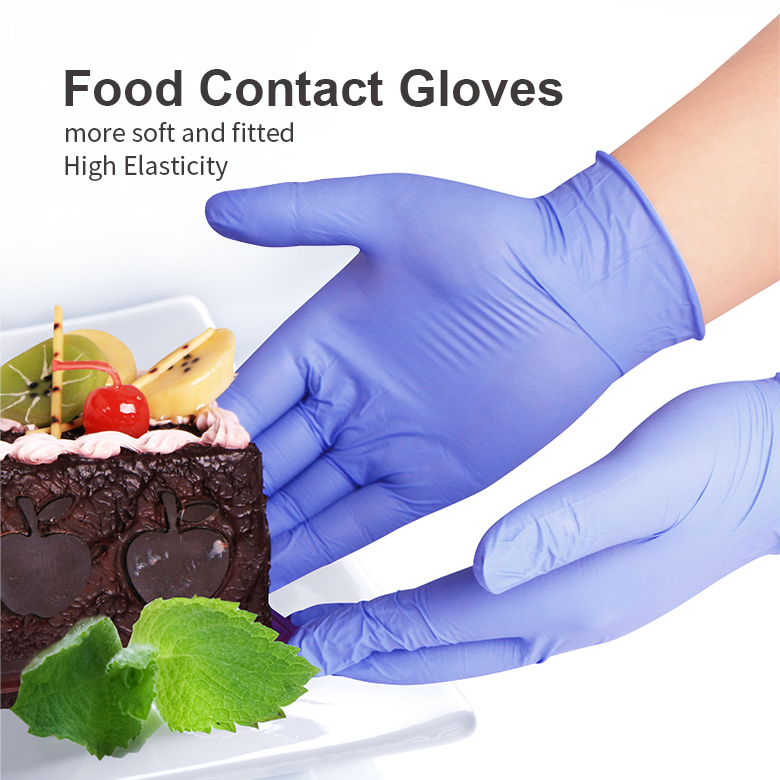
The Food and Drug Administration maintains strict guidelines regarding the use of protective equipment in food service establishments. Restaurants and catering operations must utilize gloves that comply with FDA regulations for direct food contact applications. These regulations specify acceptable materials, manufacturing processes, and performance criteria that ensure consumer safety and regulatory compliance. Establishments that fail to meet these requirements risk facing penalties, closure orders, or legal liability in case of foodborne illness outbreaks.
Certification processes for food gloves involve comprehensive testing protocols that evaluate material safety, chemical migration potential, and physical performance characteristics. Manufacturers must provide detailed documentation proving their products meet all applicable standards before they can be legally marketed for food service applications. Restaurant operators should verify that their glove suppliers provide proper certification documentation and maintain current compliance status with regulatory authorities.
Local health departments enforce food safety regulations through regular inspections of commercial food service establishments. Inspectors evaluate various aspects of food handling practices, including the proper use and storage of protective gloves. Establishments must demonstrate that they have implemented appropriate protocols for glove selection, usage, and disposal to maintain their operating licenses and avoid violations that could result in temporary closure or fines.
Health department inspections typically focus on verifying that food handlers use gloves when required, change gloves between tasks to prevent cross-contamination, and dispose of used gloves properly. Inspectors also examine glove storage areas to ensure products are kept in clean, dry conditions that maintain their integrity and safety. Regular training programs help ensure that staff members understand and follow proper glove usage protocols consistently throughout their shifts.
Disposable gloves represent the most common choice for busy restaurants and catering operations due to their convenience and cost-effectiveness. These single-use products eliminate the need for cleaning and sanitization between uses, reducing labor costs and ensuring consistent hygiene standards throughout service periods. High-volume establishments typically prefer lightweight, comfortable options that allow staff to work efficiently while maintaining proper protection protocols.
The selection of disposable gloves depends on specific operational requirements such as food types being handled, average wear time, and budget considerations. Polyethylene gloves offer an economical solution for tasks requiring frequent glove changes, such as sandwich preparation or salad assembly. Nitrile options provide enhanced durability and chemical resistance for more demanding applications involving hot foods, acidic ingredients, or cleaning chemicals used in food preparation areas.
Certain food service applications require specialized protective equipment designed for unique challenges encountered in professional kitchens. Heat-resistant gloves protect workers when handling hot cookware, while cut-resistant options provide additional safety during food preparation activities involving sharp knives or mandoline slicers. These specialty products combine the barrier protection of standard food gloves with enhanced performance characteristics tailored to specific operational needs.
Extended-length gloves offer additional protection for tasks that involve reaching into deep containers or handling large quantities of ingredients. Textured surfaces improve grip when handling wet or slippery food items, while powder-free formulations prevent contamination and reduce the risk of allergic reactions among sensitive individuals. The investment in specialty gloves often pays for itself through reduced injury rates and improved operational efficiency in demanding kitchen environments.
Comprehensive staff training forms the cornerstone of effective glove usage programs in food service establishments. Proper training ensures that employees understand when gloves are required, how to put them on correctly, and when they must be changed to maintain food safety standards. Training programs should cover the importance of hand washing before donning gloves, proper removal techniques that prevent contamination, and appropriate disposal methods for used products.
Effective training programs utilize hands-on demonstrations, visual aids, and regular refresher sessions to reinforce proper glove usage protocols. Managers should establish clear guidelines for specific tasks that require glove usage and communicate these requirements consistently to all staff members. Regular monitoring and feedback help identify areas where additional training may be needed to ensure compliance with established protocols and regulatory requirements.
Proper storage conditions are essential for maintaining the integrity and safety of food gloves throughout their shelf life. Gloves should be stored in clean, dry areas away from direct sunlight, extreme temperatures, and potential sources of contamination. Storage containers or dispensers should be designed to allow easy access while protecting products from dust, moisture, and other environmental factors that could compromise their quality or safety.
Inventory rotation procedures ensure that older stock is used first, preventing the use of expired or degraded products. Staff members should be trained to inspect gloves visually before use, looking for signs of damage, discoloration, or other defects that could indicate compromised integrity. Damaged or questionable products should be removed from service immediately and disposed of according to established waste management protocols.
While the initial investment in quality food gloves may seem significant, the long-term financial benefits far outweigh the upfront costs for most food service operations. Proper glove usage helps prevent foodborne illness incidents that could result in costly lawsuits, regulatory fines, and damage to business reputation. The cost of defending against liability claims or dealing with negative publicity following a food safety incident often exceeds several years' worth of glove expenses for typical establishments.
Insurance companies increasingly recognize the value of comprehensive food safety programs and may offer premium discounts to establishments that demonstrate commitment to proper protective equipment usage. Additionally, efficient glove usage protocols can reduce food waste by preventing cross-contamination incidents that require disposal of potentially affected ingredients. These operational efficiencies contribute to improved profit margins and enhanced business sustainability over time.
Providing appropriate protective equipment demonstrates management's commitment to employee safety and well-being, contributing to improved job satisfaction and reduced turnover rates. Workers who feel protected and valued are more likely to remain with their employers long-term, reducing recruitment and training costs associated with high staff turnover. Additionally, proper glove usage can prevent work-related injuries and skin conditions that might otherwise result in workers' compensation claims or lost productivity due to illness.
Comfortable, well-fitted gloves enable employees to work more efficiently and with greater confidence when handling various food products. This improved performance can lead to better service quality, increased customer satisfaction, and positive word-of-mouth recommendations that drive business growth. The investment in quality protective equipment ultimately supports both operational excellence and employee retention in competitive labor markets.
Food gloves should be changed immediately after handling different types of food, touching non-food surfaces, or when they become torn or soiled. Generally, gloves should be changed every two hours during continuous use, but more frequent changes may be necessary depending on the specific tasks being performed. Cross-contamination risks require immediate glove changes when switching between raw and cooked foods or handling potential allergens.
Nitrile, vinyl, and polyethylene are the safest materials for food contact applications, as they meet FDA requirements and do not contain harmful chemicals that could migrate into food. These materials are non-toxic, non-allergenic for most users, and provide effective barrier protection against contamination. Always verify that gloves are specifically certified for food contact use rather than general-purpose applications.
Disposable food gloves are designed for single-use only and should never be washed or reused in commercial food service operations. Washing can compromise the integrity of the material and create microscopic holes that allow contamination to occur. Reusable gloves made from specialized materials may be appropriate for certain applications, but they require specific cleaning and sanitization protocols approved by health departments.
Food gloves should be stored at room temperature between 60-80°F in a dry environment with relative humidity below 70%. Extreme temperatures can cause materials to become brittle or sticky, compromising their protective effectiveness. Storage areas should be well-ventilated and protected from direct sunlight, ozone, and chemical vapors that could degrade the glove materials over time.

Copyright © 2024 Sichuan Samson Technology Co., Ltd - Privacy policy